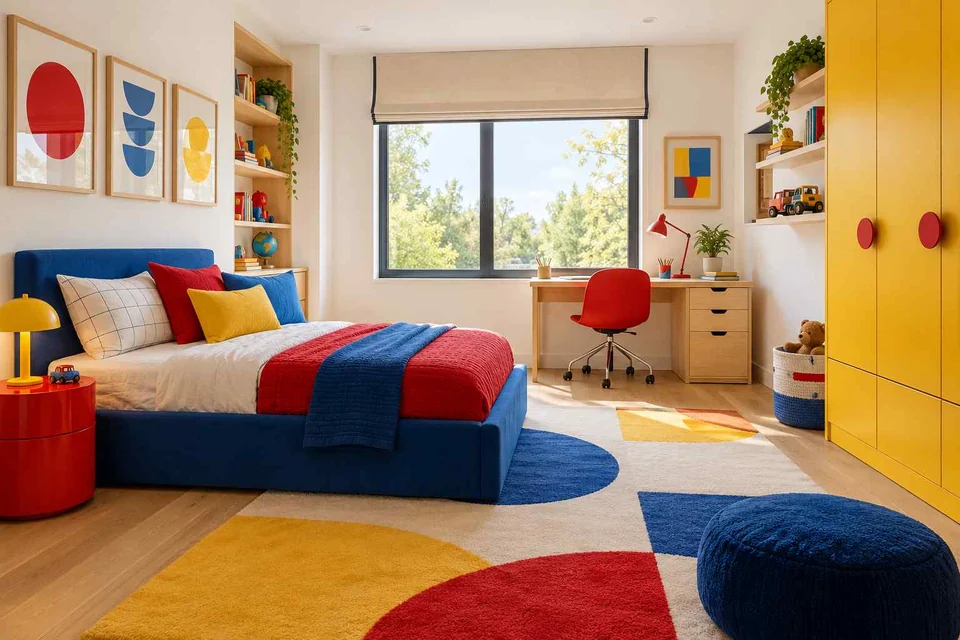
 AI-generated design concept
Primary Play Kids’ Room Design
Kids room · Colourful
Choose one dominant primary colour and use the others as smaller accents.
Storage works best when it reflects what needs to be put away. Compare the small pieces, large toys, books and completed models in your home with these concepts. Some keep play visible on open shelves; others combine drawers, baskets and display space.
Original AI-generated design concepts. Explore the ideas, then develop a site-specific design with your professional.
Compare six design approaches ↓
18 photos
AI concepts & photography · About these photos
AI-generated design concept
Kids room · Colourful
Choose one dominant primary colour and use the others as smaller accents.
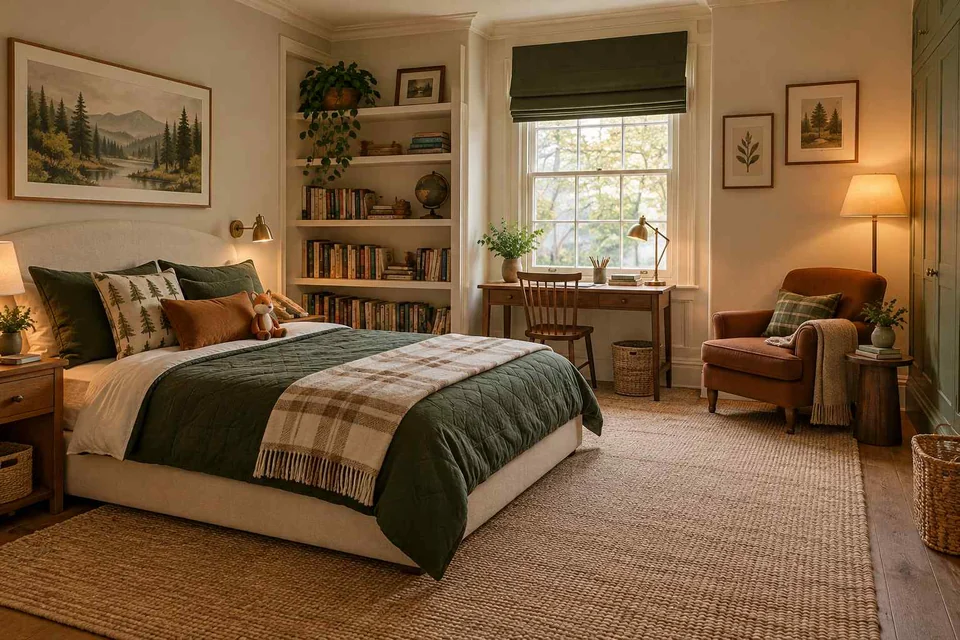 AI-generated design concept
Kids room · Creative
Choose whether bedtime reading happens at the bed, a chair or a dedicated reading nook.
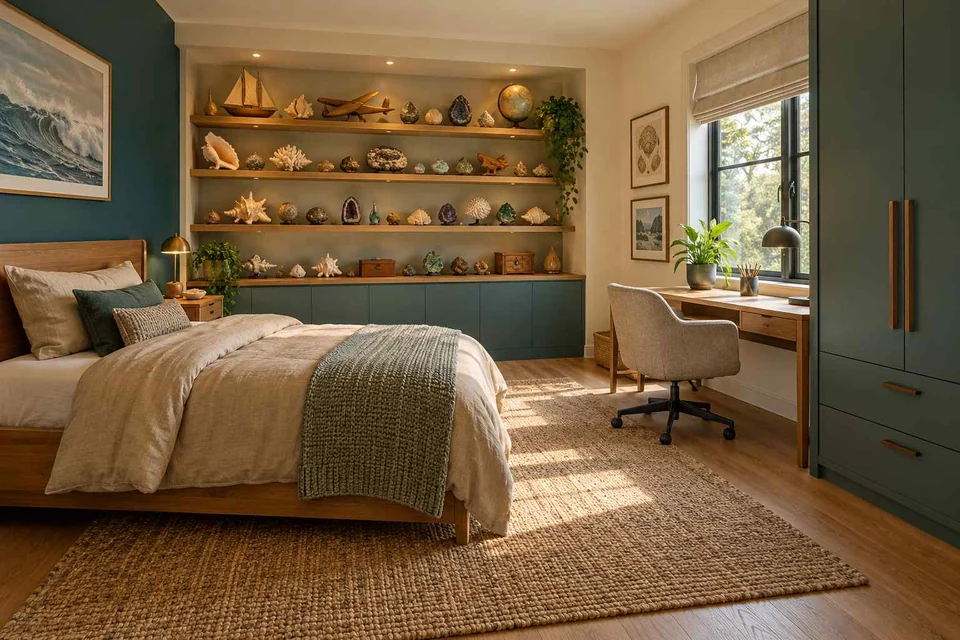 AI-generated design concept
Kids room · Creative
Separate fragile collections from everyday toys when choosing open shelving.
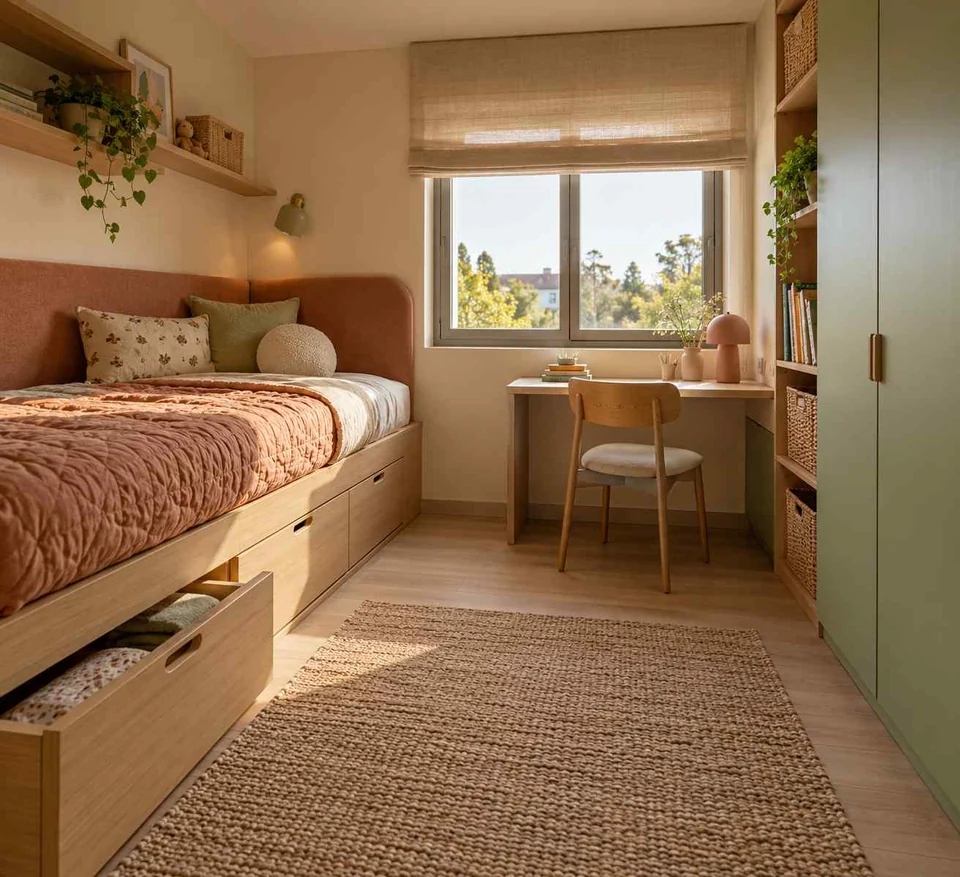 AI-generated design concept
Kids room · Space-saving
Check the drawer opening space before deciding where a rug or chair should sit.
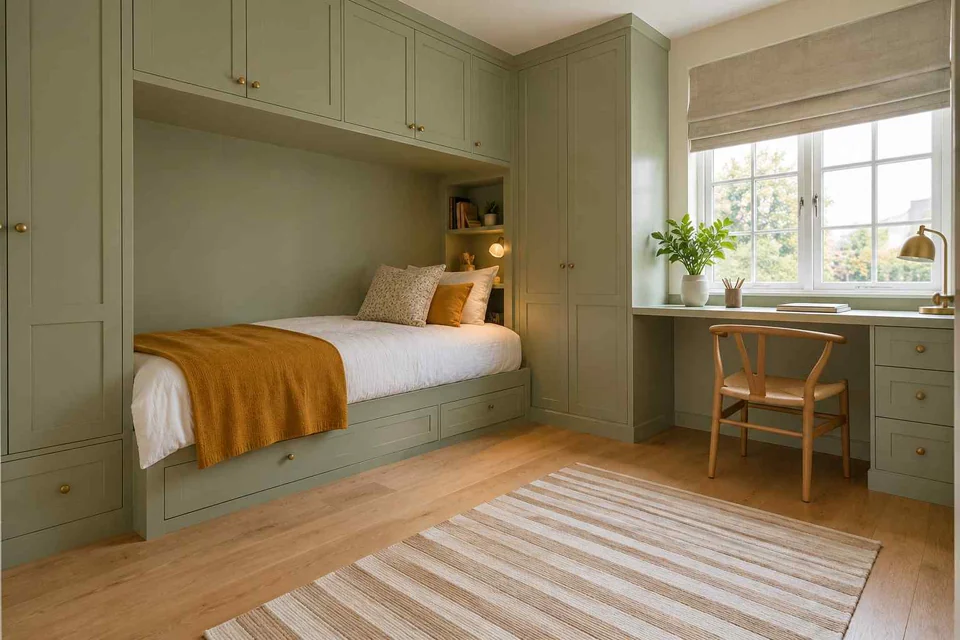 AI-generated design concept
Kids room · Space-saving
Confirm ventilation, access and usable storage depth before enclosing a bed with joinery.
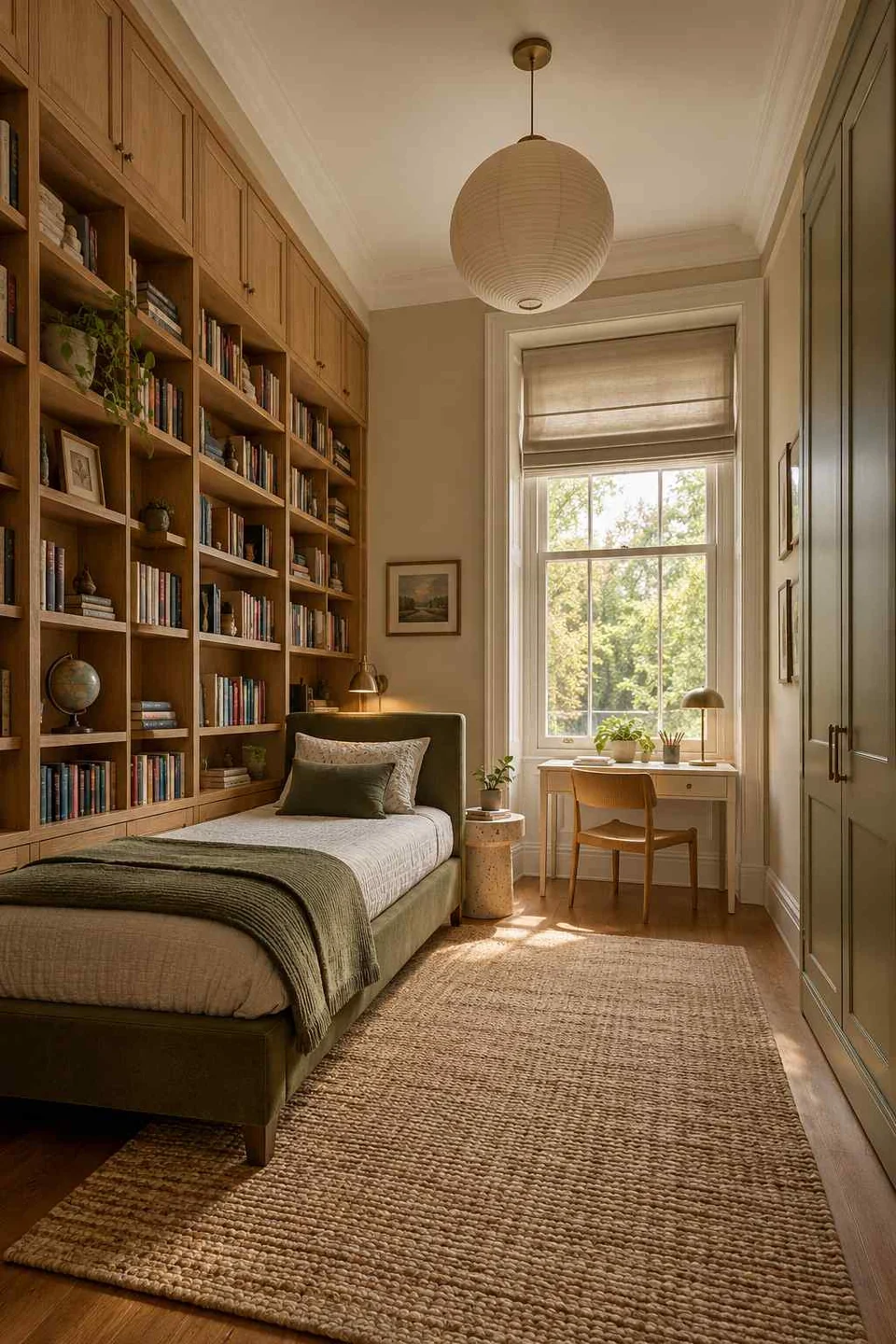 AI-generated design concept
Kids room · Space-saving
Plan reachable everyday shelves and professionally specified anchoring for tall storage.
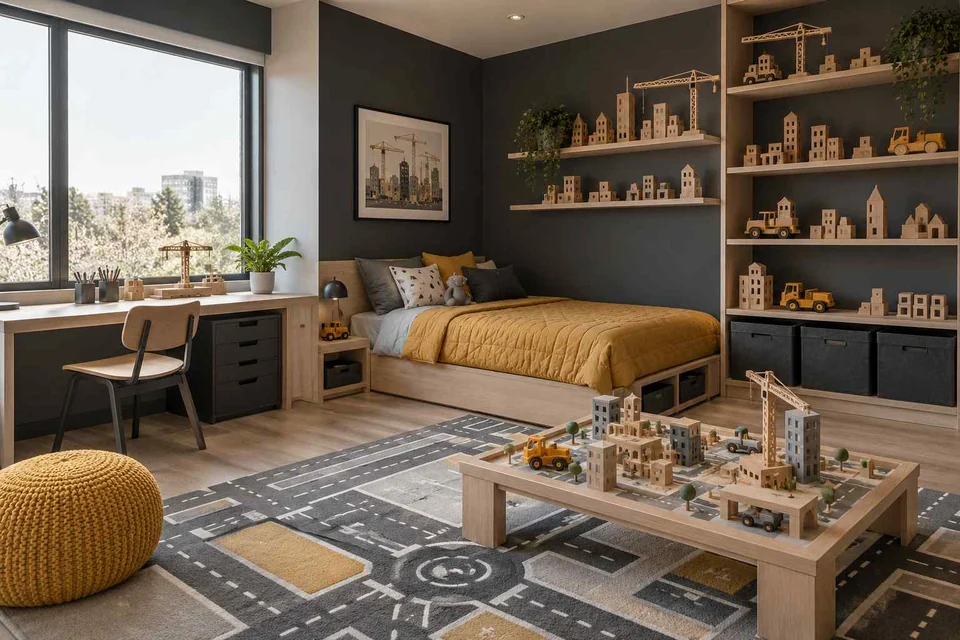 AI-generated design concept
Kids room · Playful
Provide a place for unfinished models that does not block the everyday route through the room.
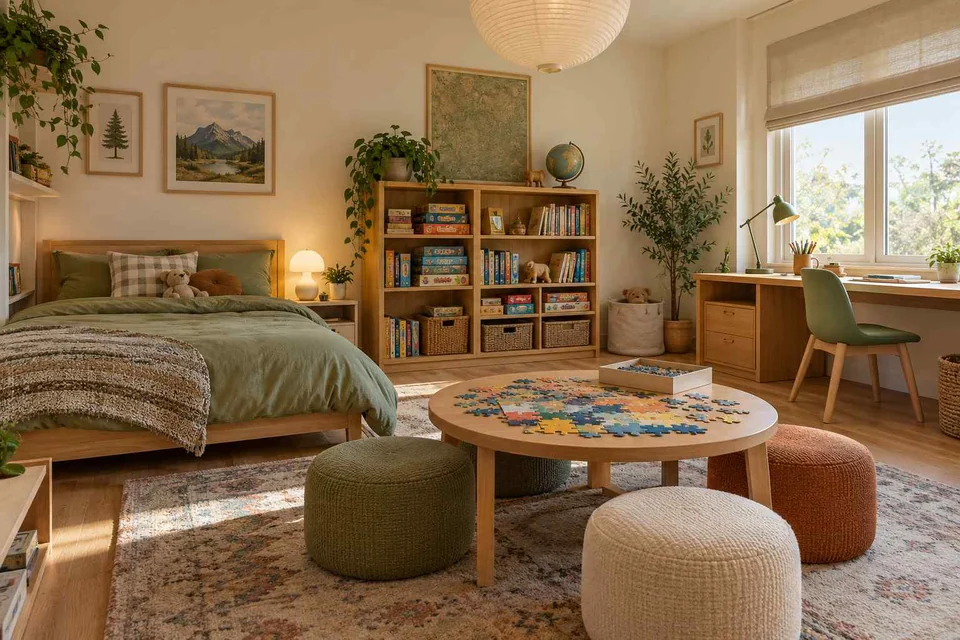 AI-generated design concept
Kids room · Playful
Check the table height and seating comfort for the activities the child actually enjoys.
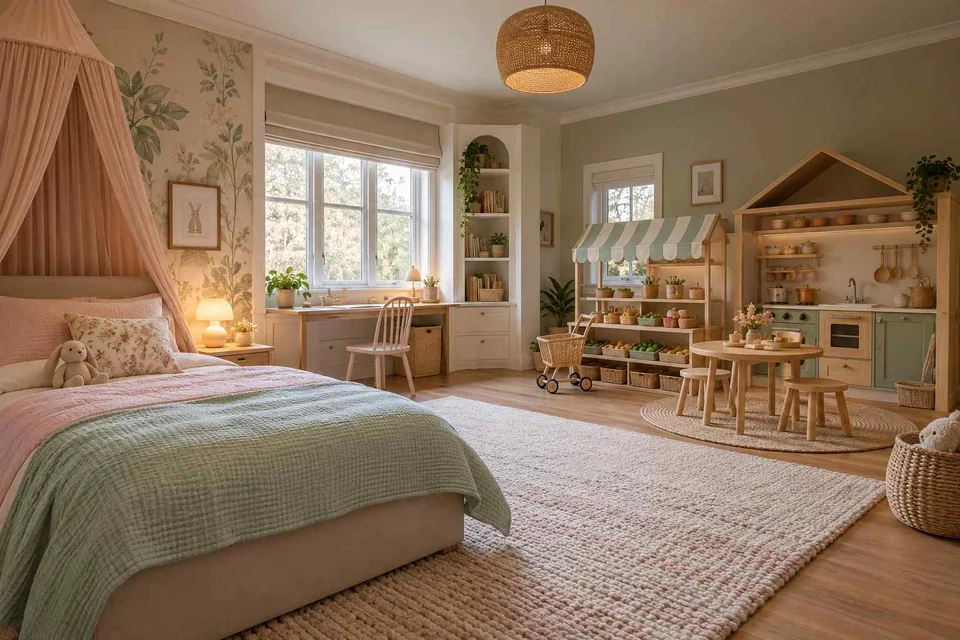 AI-generated design concept
Kids room · Playful
Keep a play corner flexible enough to change when the child's preferred activities change.
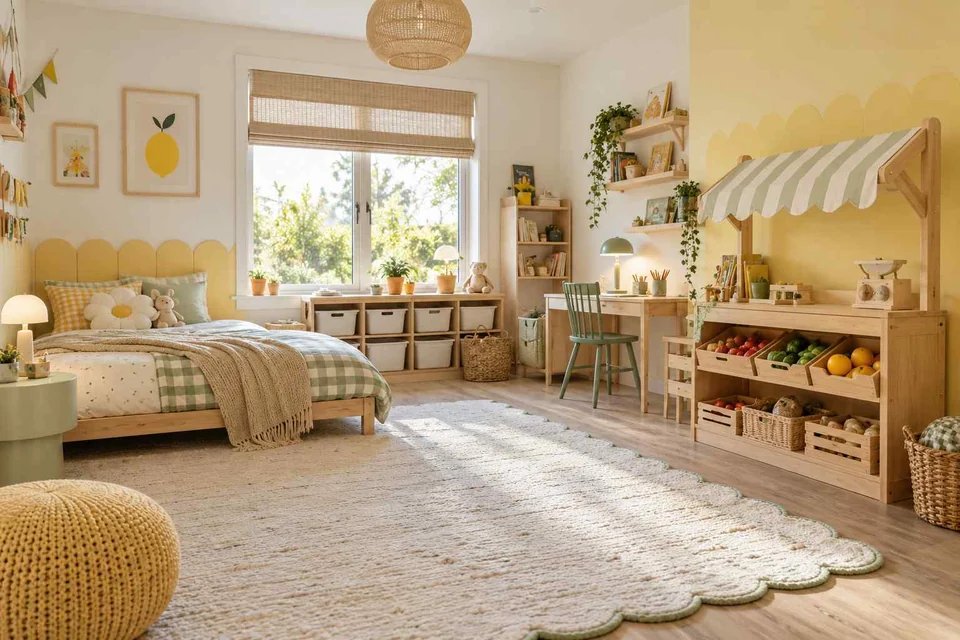 AI-generated design concept
Kids room · Playful
Make sure role-play furniture leaves an accessible route to the door and storage.
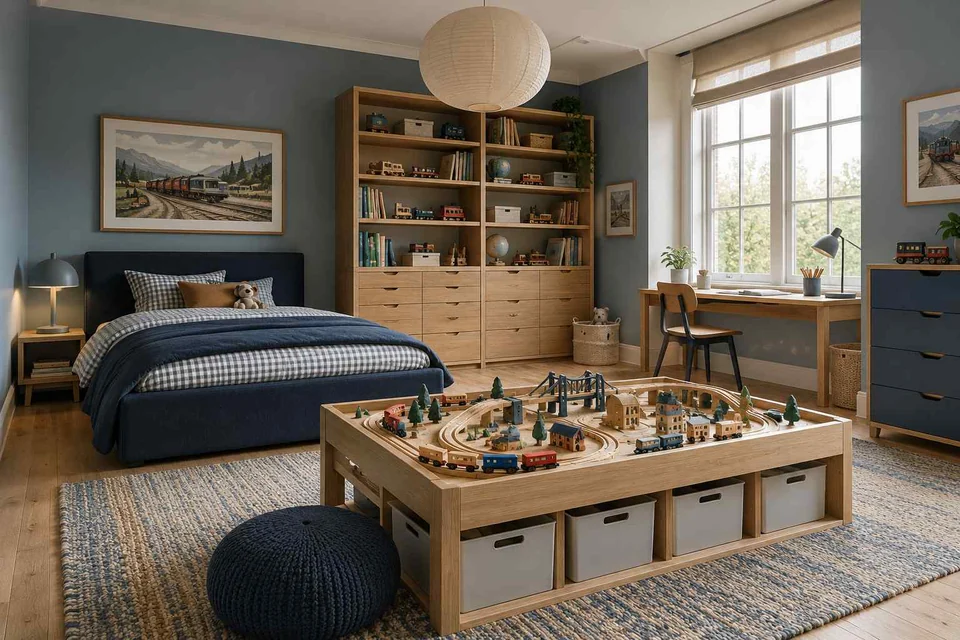 AI-generated design concept
Kids room · Playful
Decide whether the play table should move or stay in place as the room's needs change.
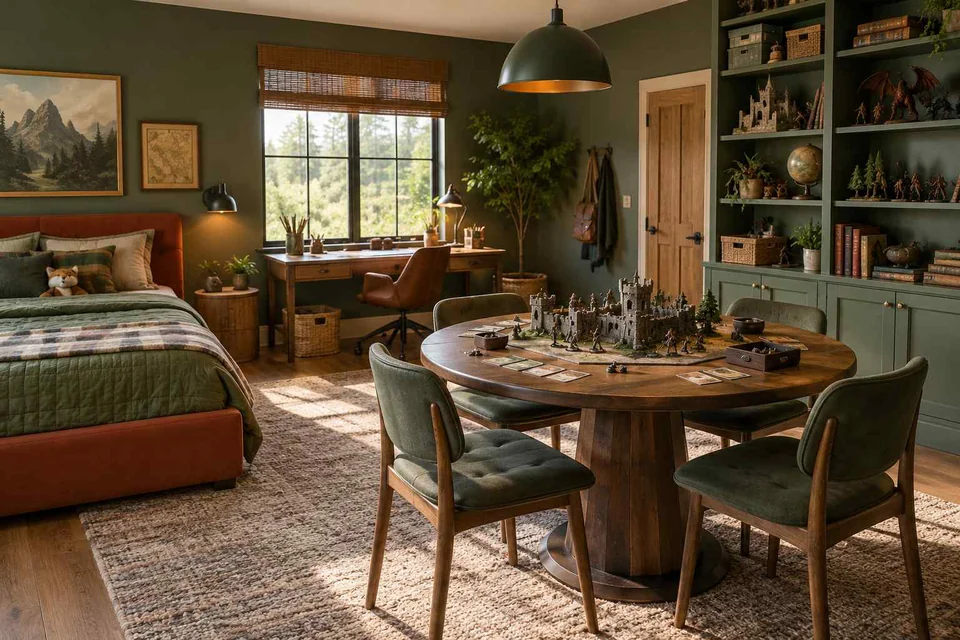 AI-generated design concept
Kids room · Playful
Allow space for chairs in use, not just pushed neatly under the table.
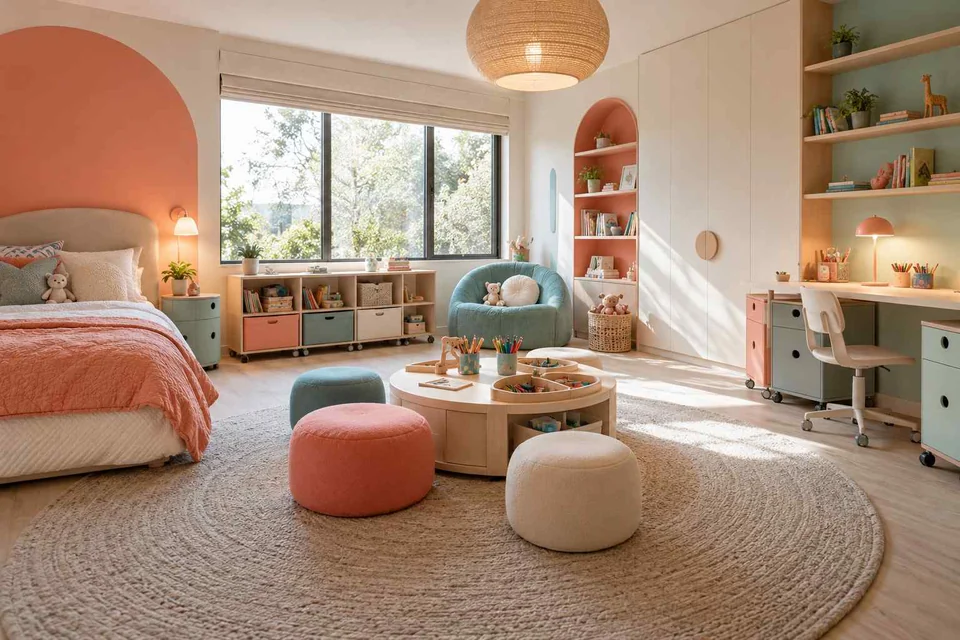 AI-generated design concept
Kids room · Playful
Use movable pieces to test activity zones before committing to built-in furniture.
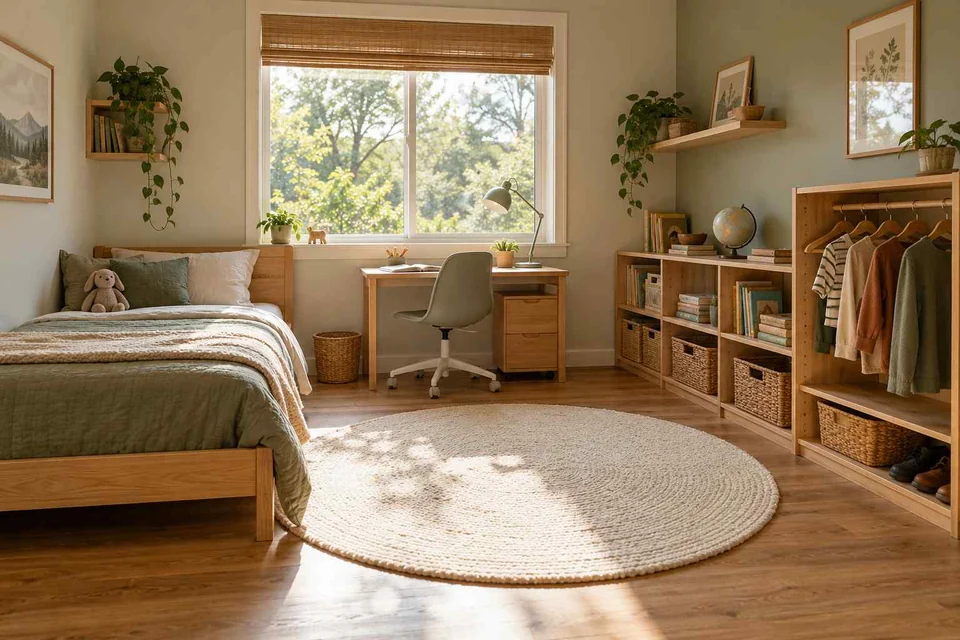 AI-generated design concept
Kids room · Adaptable
Choose accessible storage based on the child's reach and stage of development rather than a style label.
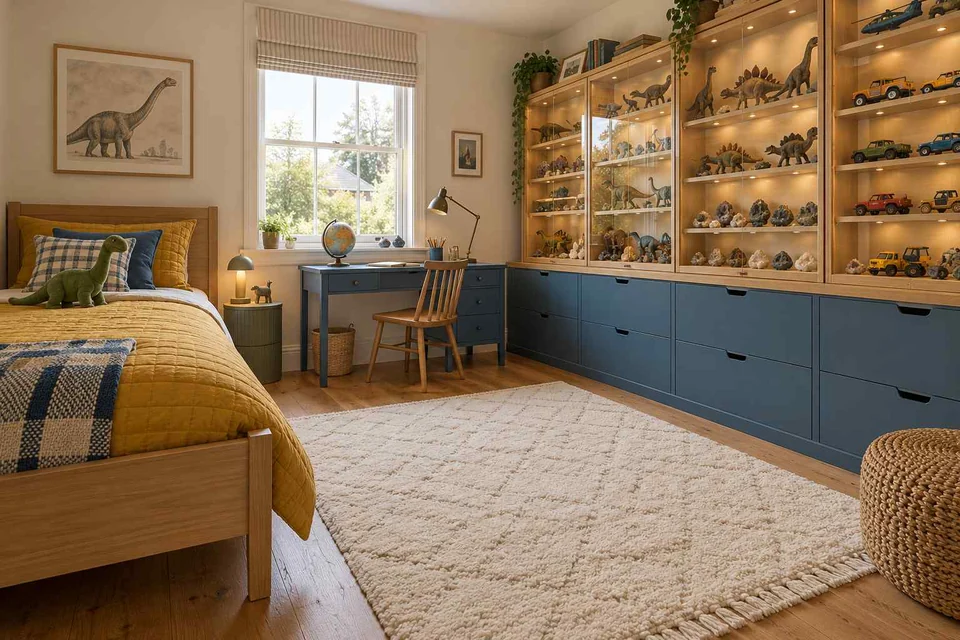 AI-generated design concept
Kids room · Adaptable
Plan collection storage around object size and reach rather than assuming all display shelves are usable.
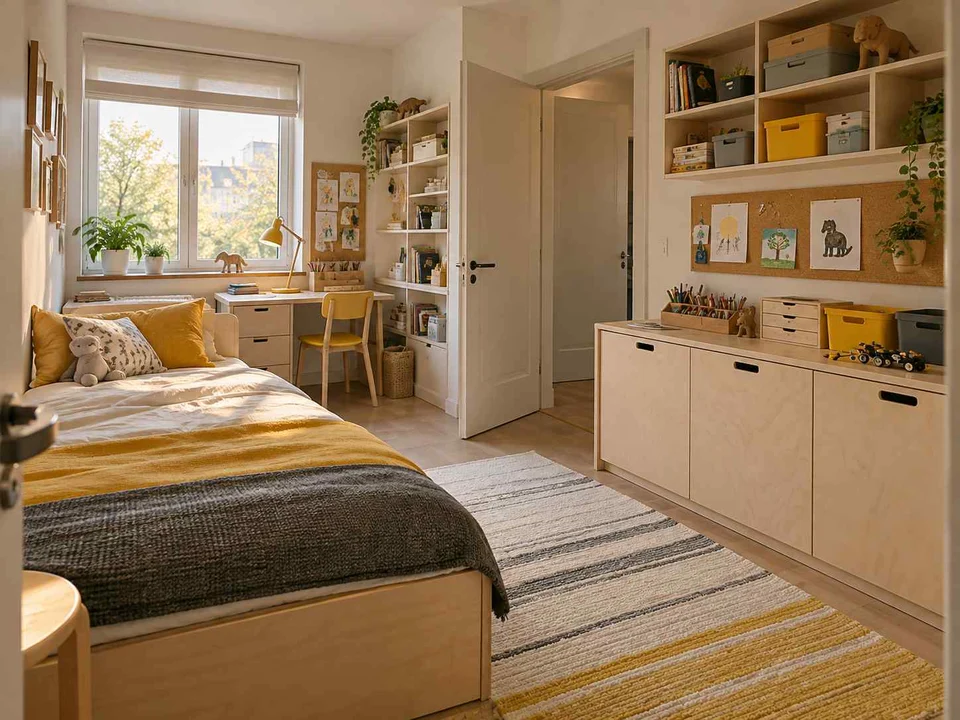 AI-generated design concept
Kids room · Scandinavian
Check door swings, drawer clearances and how frequently used items can be reached before fixing the storage layout.
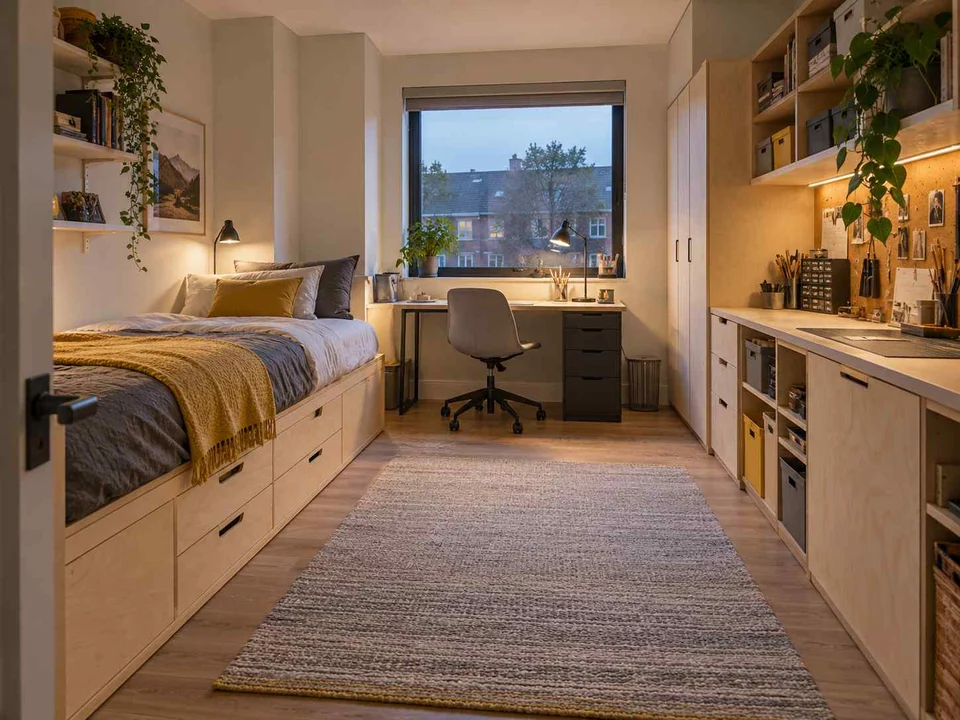 AI-generated design concept
Kids room · Scandinavian
Decide which storage children should reach independently, and check anchoring and drawer access with the furniture maker.
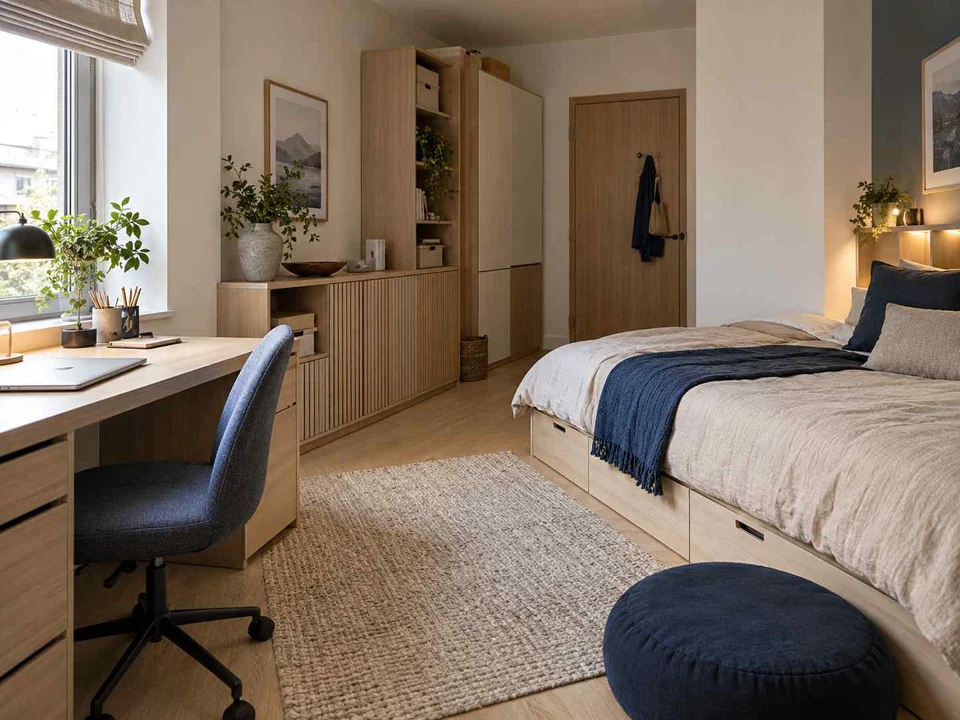 AI-generated design concept
Kids room · Japandi
Decide which storage children should reach independently, and check anchoring and drawer access with the furniture maker.
Compare these selected references by the decision each raises. Use the photos to explain priorities; ask your designer to verify fit, products and details for your room.
| Reference | What to notice | Question for your brief |
|---|---|---|
| Mini Museum Kids’ Room Design | Open shelves turn small objects into a display above closed lower cabinets. | Which collections deserve display space rather than a drawer? |
| Storage-Bed Nest Kids’ Room Design | The bed base includes drawers while taller storage occupies the opposite side. | Which toys are used often enough to need a more accessible location? |
| Construction City Kids’ Room Design | An activity table holds a model, with additional constructions on shelving. | Do projects need to remain assembled between play sessions? |
| Puzzle Club Kids’ Room Design | A central table supports puzzles beside a low storage unit. | Can the activity surface stay separate from the homework desk? |
| Train & Track Studio Kids’ Room Design | A train table includes storage below it, with shelves along the room edge. | Would storage attached to an activity table suit your largest play set? |
| Collection Keeper Kids’ Room Design | A long display wall combines lit shelves and closed lower cupboards. | How much space should be reserved for growing collections? |
Selected and visually reviewed by Aangan Editorial on . All six references are AI-generated concepts.
Make separate lists for everyday play, occasional activities, books and objects kept for display. A collection of small parts needs a different home from a large play set. Note what gets carried into other rooms and what stays assembled overnight. This inventory is more useful for selecting storage than a room colour or decorative theme.
Open shelves make a collection part of the room, while drawers and baskets group loose items out of view. Too many display areas can compete with work surfaces and wall space. Choose a limited place for finished creations and leave room to rotate them. Ask the designer to distinguish storage intended for the child’s daily use from items managed by an adult.
Storage near an activity surface can make putting materials away more direct. Compare low baskets beside the play space, drawers below a table and shelving along the wall. Keep a route through the room and consider how a project can remain out without taking over the bed. Any tall furniture, fixings or custom joinery needs product-specific and installation checks; these images are concept references.
Use the inventory to decide. Display favourites or assembled models where appropriate, and group loose pieces in containers or drawers. A mixture can serve different needs without requiring every toy to remain on show.
Yes, but show the designer the contents and how often they are used. Keep daily routines in mind so that retrieving a toy does not require moving clothing or emptying a cupboard.
No. They show AI-generated concepts rather than identified products. Ask a designer or supplier to propose real furniture, materials, fixings and installation details.
Found your direction?